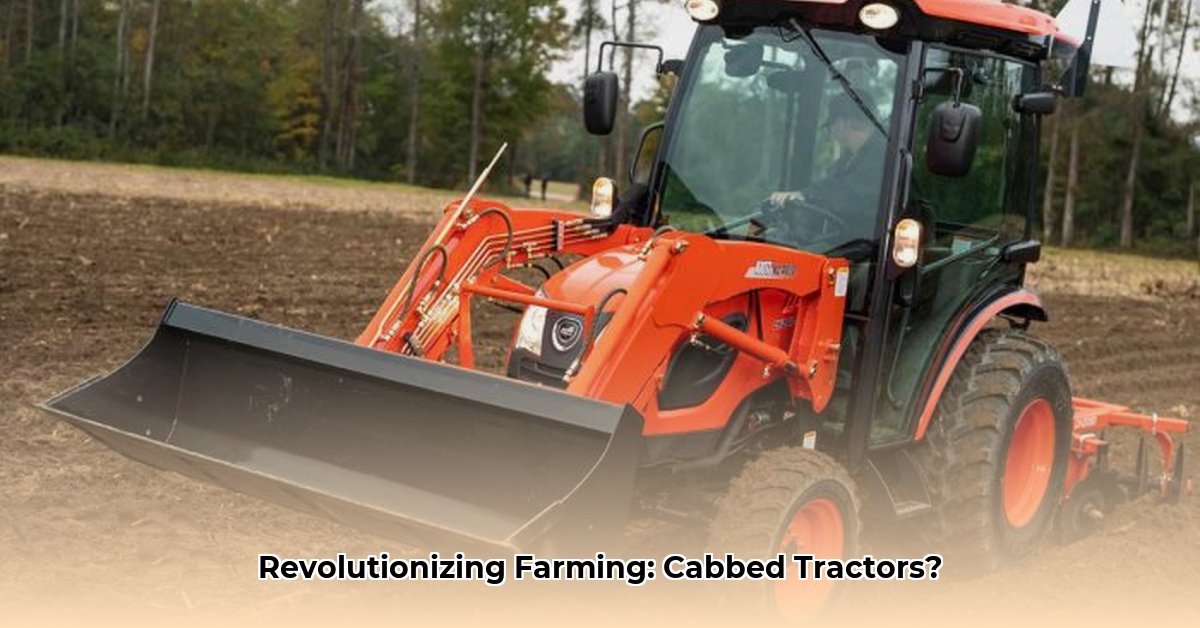
Cabbed Tractors: Driving Towards a Greener, More Efficient Farm
Choosing the right tractor is crucial for farm efficiency and environmental responsibility. The 40-99 horsepower range offers a compelling balance of power and practicality for many farming operations. These aren't your grandfather's tractors; modern models prioritize sustainability and advanced features. This size range provides a balance of cost and capability, making it a popular choice for a diverse range of farm sizes and needs. The market is thriving, with manufacturers like Kubota leading the charge with innovative technology and competitive pricing. But what specifically makes these tractors so desirable? Their versatility in handling a wide variety of tasks efficiently. For added versatility, consider tractor side mowers.
More Than Just Horsepower: Features That Make a Difference
Horsepower is important, but it is only one factor. Modern cabbed tractors frequently boast Tier 4 compliant engines (engines that meet stringent emission standards, resulting in cleaner operation). Continuously Variable Transmissions (CVTs) are becoming increasingly prevalent, offering smoother operation and improved fuel efficiency compared to traditional gear-based systems. These advancements directly translate into lower operating costs and reduced machine wear.
Furthermore, operator comfort is paramount. Extended periods in the field necessitate a comfortable workspace. Modern cabs provide improved ergonomics, climate control, enhanced visibility, and reduced operator fatigue, ultimately boosting productivity. The inclusion of foldable Roll-Over Protective Structures (ROPS) enhances safety without sacrificing space. This focus on operator well-being is a significant advantage.
Finding the Right Tractor: A Practical Guide
Selecting the ideal cabbed tractor involves careful consideration of your specific farming needs. Will you primarily focus on hay production, livestock management, or crop cultivation? Answering this question helps direct your decision-making process.
Here’s a practical approach:
- Budgeting: Determine a realistic budget to avoid impulsive overspending on unnecessary features.
- Attachments: Assess the need for additional implements like loaders or backhoes, which impact upfront costs.
- Fuel Efficiency: Prioritize fuel-efficient tractors to minimize operating expenses and environmental impact.
- Maintenance: Consider long-term maintenance costs and the accessibility of replacement parts.
- Operator Comfort: Look for features like ergonomic design and climate control for extended comfort during operation.
Remember, total long-term costs including fuel, maintenance, and potential repairs, must be considered. Careful planning in this regard is crucial for sustainable farming practices.
Cabbed Tractors and Sustainable Farming: A Synergistic Partnership
The rise of cabbed tractors in the 40-99 HP range aligns perfectly with the principles of sustainable agriculture. Their versatility enhances operational efficiency across various tasks, allowing for more efficient land use and reduced reliance on external inputs. Studies indicate that modern tractors with Tier 4 engines contribute significantly less to air pollution and generally consume less fuel than older models. Government incentives often target these environmentally friendly machines, further promoting their adoption.
Working Together for a Sustainable Future: A Collaborative Approach
Achieving a sustainable agricultural future requires a collective effort. Here's how key stakeholders can contribute:
| Stakeholders | Short-Term Actions | Long-Term Vision |
|---|---|---|
| Farmers | Prioritize fuel-efficient, low-emission tractors; assess tractor models based on specific farm needs. | Adopt precision farming and environmentally friendly practices; optimize land use. |
| Manufacturers | Develop affordable, sustainable models with improved recyclability; focus on technological advancements. | Implement sustainable manufacturing processes; explore using recycled or bio-based materials. |
| Government Agencies | Provide financial incentives for sustainable equipment and farming practices. | Implement policies that support the wider adoption of sustainable agricultural technologies. |
The future of sustainable farming hinges on collaboration. By working together, farmers, manufacturers, and governments can optimize the use of cabbed tractors—enhancing efficiency, reducing environmental impact, and building a more sustainable future. Ongoing research and technological advancements in this area mean staying informed is key; this is a dynamically evolving field.
How to Choose a Sustainable 40-99 HP Tractor for Mixed Farming
Choosing the right tractor represents a significant investment. The following steps outline a framework for choosing a sustainable option for mixed farming operations.
Key Considerations:
Fuel Efficiency: Modern tractors with Tier 4 engines and CVTs (Continuously Variable Transmissions) offer superior fuel efficiency, minimizing costs and emissions. Consider the availability of alternative fuels like biodiesel in your region.
Soil Compaction: Minimize soil compaction using lightweight tractors with wide tires to maintain optimal water infiltration and crop yields.
Versatility: Opt for a tractor capable of handling diverse tasks, from plowing to haying, through the use of compatible attachments and implements.
Long-Term Cost-Effectiveness: Account for the total cost of ownership (including purchase price, fuel, and maintenance) to ensure long-term economic viability.
Practical Steps:
- Assess Your Needs: Evaluate farm size, soil type, common tasks, and crop diversity to determine horsepower requirements.
- Research Tractor Models: Compare models, focusing on fuel efficiency, engine type, transmission type, and weight.
- Consider Alternative Fuels: Evaluate the availability and practicality of biodiesel or electric options.
- Evaluate Total Cost: Factor in initial purchase price, fuel usage, maintenance expenses, and potential rebates.
- Test Drive: Test drive potential models to assess handling and comfort.
- Seek Expert Advice: Consult with local experts for personalized guidance.
Key Takeaways:
- Prioritize fuel efficiency for reduced emissions and operating costs.
- Minimize soil compaction with lightweight tractors and wide tires.
- Choose a versatile tractor adaptable to diverse farming tasks.
- Consider the total cost of ownership over the tractor’s lifespan.
- Investigate available government incentives for sustainable agricultural technology.